
Best Outerwear for Men: Expert-Ranked Work and Style Jackets
The $90 jacket built to work vs the $600 one too stiff to work in — and everything between.
7 min read
The best work jacket in this data costs $90 and the most "legendary" one costs $600 — and the same reviewer who praises the $600 jacket's craftsmanship says it's "too stiff and trim-fitting to actually work in." That gap is the whole story of men's outerwear: heritage marketing has blurred the line between jackets built to work and jackets built to look like they work. This ranking redraws it, using only verdicts from reviewers who tested the jackets, led by Carl Murawski, who has worn most of them on real job sites.
The ranking at a glance
| Tier | Jacket | Price | The case |
|---|---|---|---|
| Best work value | Carhartt Detroit / Chore | ~$90–100 | Documented durability, cheap |
| Best all-USA waxed | Heat Straps Chief Coat | ~$350 | Same 18 oz twill as the $548 Ship John |
| Best foul-weather | Carhartt Super Dux Gore-Tex | ~$300 | Gore-Tex at ~⅓ of Arc'teryx |
| Best style trucker | Flint and Tinder Wax Trucker | ~$298 | Handsome — but "more like a shirt" |
| Best leather value | Thursday Suede Trucker | ~$360 | "Easy choice under $500" |
| Best custom leather | Field Leathers Custom | ~$1,300 | Bespoke horsehide at half the rivals |
1. Best work-jacket value: Carhartt Detroit / Chore Coat (~$90–100)
Nothing matches the documented durability-per-dollar. Carl Murawski's Detroit Jacket history confirms the vintage J97 "held up exceptionally well through decades of heavy use" (clean originals now fetch $200+ used), and the chore coat is "a classic option at an affordable price in the better tier." The honest caveat is charm, not function: the modern Mexico-made Detroit "lost the iconic Detroit cuff." For pure work value, the Loose Fit Denim Active jacket at $69 and the Rugged Flex chore at $89 extend the same logic. If the jacket will be used hard, this tier wins on evidence, not nostalgia.
2. Best all-USA waxed work jacket: Heat Straps Chief Coat (~$350)
The standout American-made pick — with a disclosure. Carl Murawski rates Heat Straps highly, but he co-designed its Workhorse jacket and discloses a "vested interest," so weight the comparative claims, not the self-referential ones. The Chief Coat is comparative: "uses the same 18 oz USA-made twill material as Ship John at significantly lower cost — $350 vs Ship John's $548… more practical for actual blue-collar work." That's a checkable claim against a named competitor, which makes it credible despite the Workhorse conflict. For all-USA sourcing in a real work jacket, this is the evidenced choice; treat the Workhorse itself as a designer's passion piece bought partly on faith.
3. Best foul-weather jacket: Carhartt Super Dux Gore-Tex (~$300)
When weather protection is the job, this is the documented answer. Murawski: "a high-quality functional rain shell that justifies its price… Gore-Tex protection at nearly a third of premium brands like Arc'teryx… fully taped seams, 3.7 oz packable, much more affordable than Arc'teryx." For deep cold rather than rain, the Carhartt Yukon Extremes parka (~$300, 700-fill, 500-denier Cordura) was "the most impressive Carhartt item reviewed to date," and the Montana insulated jacket (~$199) is the warm, well-pocketed mid-tier. Carhartt quietly owns the technical-value tier, not just the heritage one.
4. Best style trucker (not a work jacket): Flint and Tinder Wax Trucker (~$298)
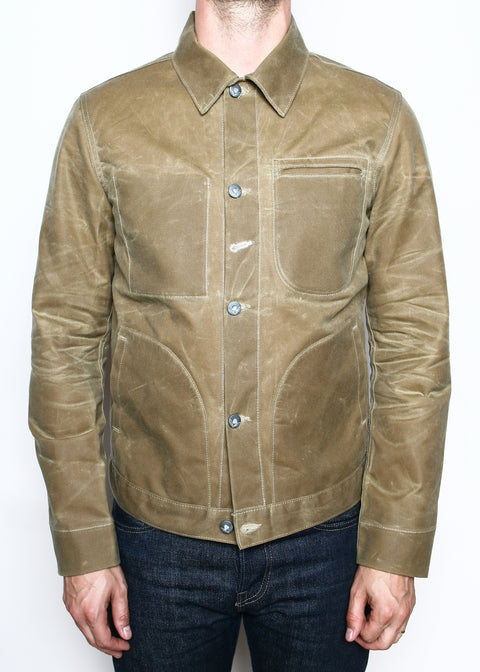
This is where heritage marketing trips people. The Wax Trucker is genuinely handsome and American-made with "transparent component sourcing" — but Murawski, who reviewed it four times, is blunt: "only 7-ounce fabric, too thin, feels more like a shirt than a true work jacket… button closure problematic for workwear, lacks back gussets." Water enters at the buttons for lack of a storm flap. Buy it for what it is — a good-looking American casual jacket for commuting and weekends, ideally the wool-lined version — not for the job site. On those honest terms it earns its spot; mis-sold as workwear it disappoints.
5. Best leather-jacket value: Thursday Suede Trucker (~$360)
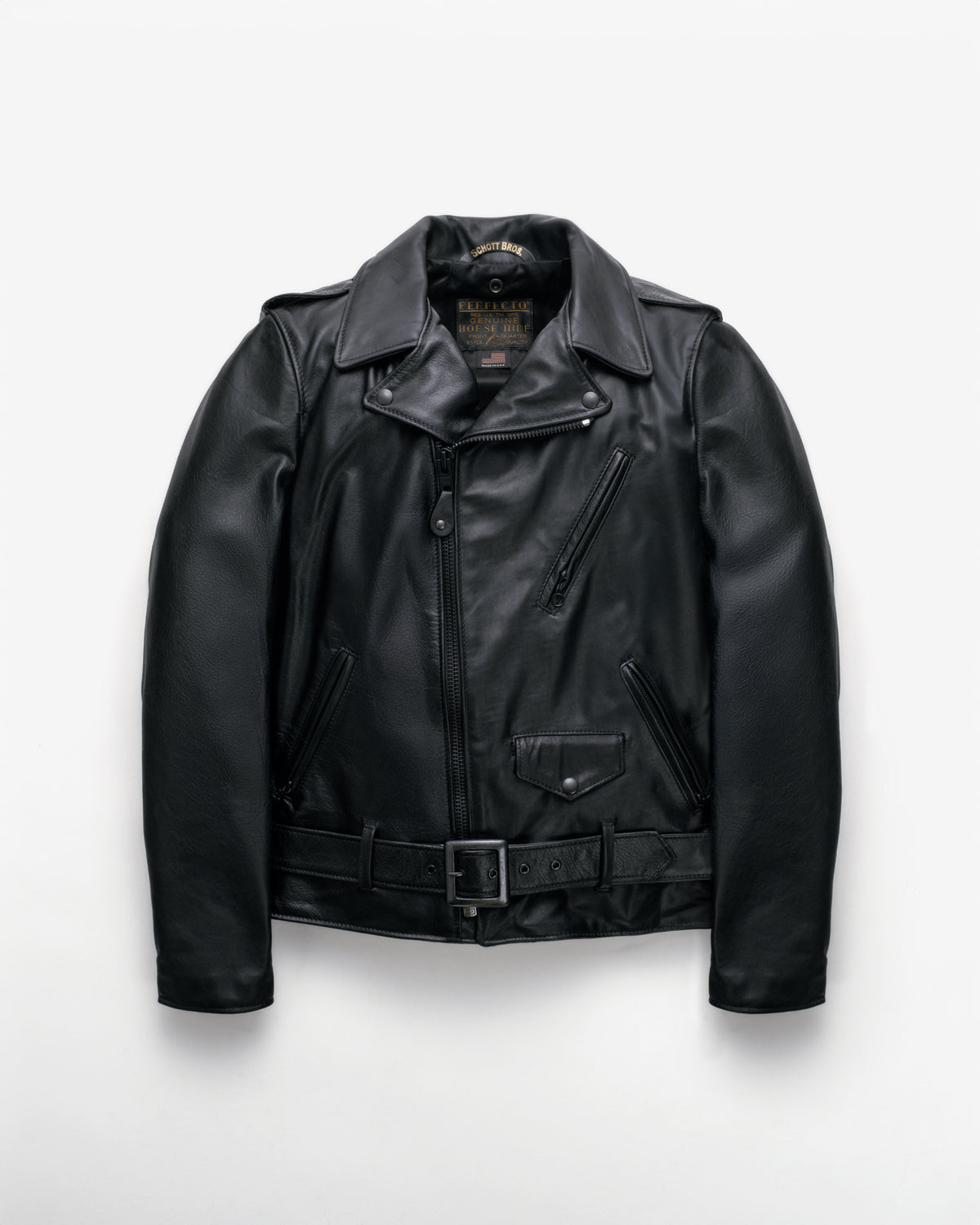
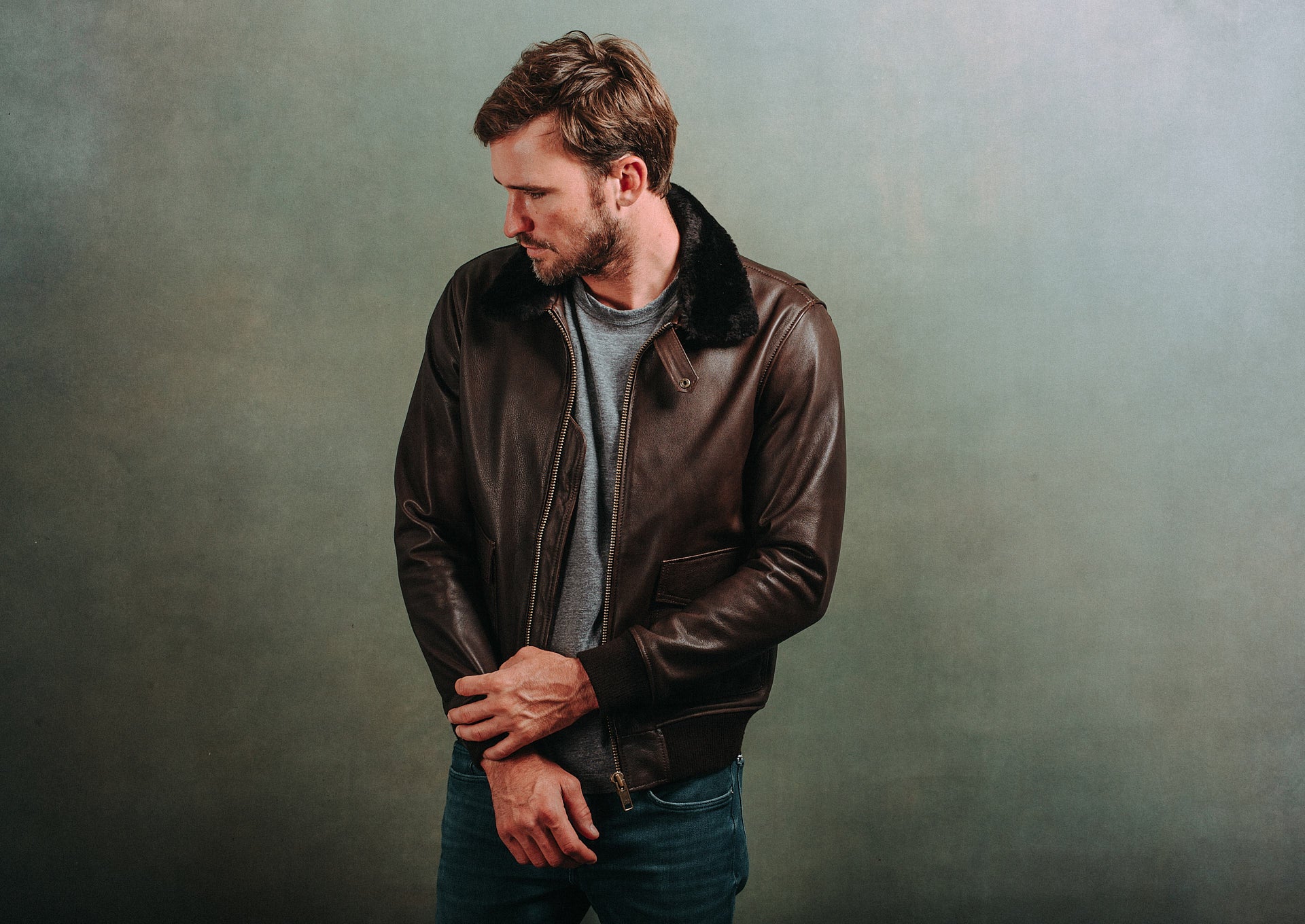
Stray Reviews tested leather jackets under $500 and made this the easy pick: "excellent value with a perfect fit, soft waxed goat suede with impressive heft and drape, feels more expensive than the price… classic Type 3 trucker silhouette." The only knock was "relatively light hardware." For an affordable, stylish leather/suede jacket it's the independently-backed choice. One step up, Carl Murawski rated the Satchel & Page bomber (~$550) "a solid entry-level leather jacket, good enough to be the only jacket many people ever need," docking it for a finish "too shiny" and slow patina.
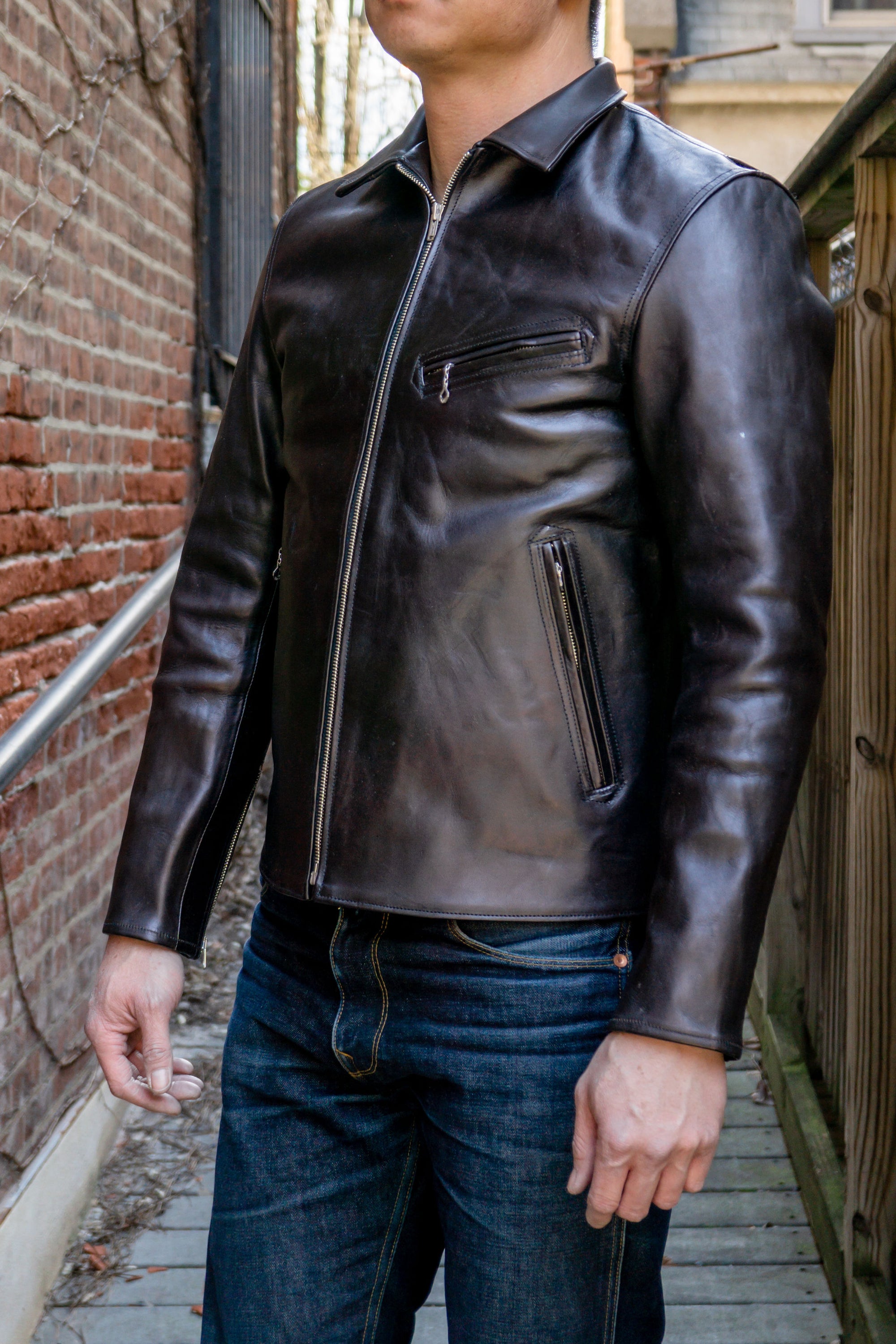
6. Best custom leather: Field Leathers Custom (~$1,300)
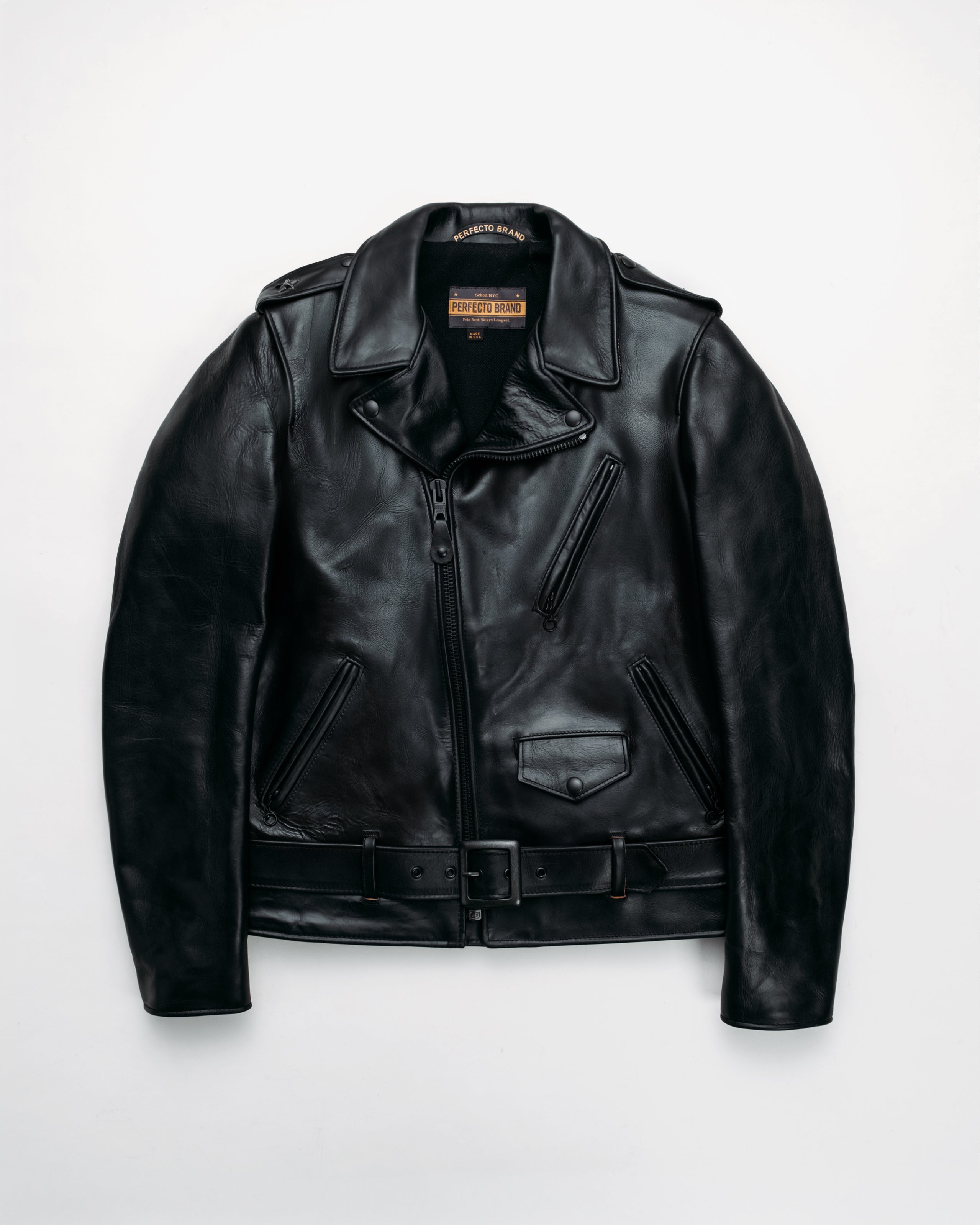
For the buyer going bespoke, the data has a clear value winner. Murawski called the Field Leathers custom horsehide jacket "bespoke quality at half the price of competitors… shrunken horsehide with T-core construction, exceptional stitching, significantly cheaper than Himmel Brothers." The trade is patience — "long production timeline, single maker." Against the alternative tier, Ship John's Wills jacket (~$600, 24 oz) is "legendary, beautifully constructed, deep gusseted back" but "too stiff, trim fit not functional for actual work, long 2025–2026 wait times… borders on fashion piece." If you want custom leather that's actually worn, Field Leathers; if you want a 24 oz waxed grail and can wait years, Ship John.
What to skip or treat with caution
The Cuts Hyperloop and standard hoodies appear well-reviewed, but every verdict is alpha m., a paid partner — there's no independent assessment, so don't read the praise as consensus (the concept may suit a gym build; the evidence is single-source). LC King's chore coat (~$170 USA) drew a real Murawski criticism — "no bi-swing back, hard to move in" — and a price that "increased significantly for an unlined jacket." And several gorgeous custom pieces (Articles of Style's Harris Tweed coat) earned the same honest verdict: beautifully made, but "too formal for everyday wear, low price-per-wear." Construction quality is not the same as wearability.
The bi-swing back: Murawski's tell
One criterion recurs across Carl Murawski's jacket reviews and it's worth adopting as your own: the bi-swing (gusseted) back. Jackets without it "stretch across the back when reaching or hugging" and are "hard to move in" — he sold the LC King chore coat and dinged the custom Articles of Style Harris Tweed coat for exactly this, and praised the Heat Straps Workhorse and Ship John Wills specifically for their "deep gusseted back for mobility." If a jacket is sold as workwear and lacks a bi-swing back, it will fight you the moment you actually use your arms. It's the fastest single test of whether a "work jacket" was designed to work or to be photographed.
Waterproofing, actually measured
Murawski's How Waterproof Are Waxed Jackets? test cuts through the romance with results. Ship John's 24 oz wax was best — "no leakage through shoulder seams, arms or anywhere," the thickest material tested. Flint and Tinder's Wax Trucker performed well overall but "water enters at the button closures due to lack of a storm flap." The Carhartt Super Dux (non-wax, DWR/Gore-Tex) "beads water and falls right off… second only to Gore-Tex." And a generic waxed jacket (likely Barbour-style) "soaked through the shoulder seams and liner after one minute of heavy rain." The lesson: waxed canvas is water-resistant, not waterproof, and closure design (storm flap vs exposed buttons) matters as much as the wax. For genuine wet-weather work, the Super Dux Gore-Tex is the only jacket here that actually keeps you dry; the waxed truckers are for drizzle and looks. Patagonia's Iron Forge hemp ranch jacket (~$179) is the honorable mention — Murawski called it premium but "double the price of the Carhartt Detroit," better materials for buyers who prioritize them over value.
How to choose by use
- Hard work, lowest cost: Carhartt Detroit/chore (~$90–100). Documented, cheap, tough.
- All-USA work jacket: Heat Straps Chief Coat (~$350) — the comparative evidence holds; the Workhorse carries a designer conflict.
- Rain and weather: Carhartt Super Dux Gore-Tex (~$300). Arc'teryx protection at a third the price.
- Deep cold: Carhartt Yukon Extremes or Montana (~$199–300).
- Style, not work: Flint and Tinder Wax Trucker (~$298) — buy the looks, not the "workwear."
- Affordable leather: Thursday Suede Trucker (~$360); step up to Satchel & Page (~$550).
- Bespoke leather: Field Leathers (~$1,300) — half the price of the grail brands.
The verdict
Most men should buy a Carhartt Detroit or chore coat (~$90–100) and stop pretending they need more — it's the most independently documented durability per dollar in outerwear, and even its critic grades it against its own legendary past. Spend up only with a reason: Heat Straps Chief Coat for all-USA work (mind the Workhorse disclosure), Super Dux Gore-Tex for weather, Thursday Suede Trucker for affordable leather, Field Leathers for bespoke. And internalize the one rule the testing keeps proving: a jacket that looks like workwear isn't workwear — the Flint and Tinder is a 7 oz shirt in a trucker's clothing, and the $600 Ship John is too stiff to work in. Match the jacket to the job, not the marketing, and the data points the way every time.
Daft Pulp may earn a commission from purchases made through links on this site, at no extra cost to you.